
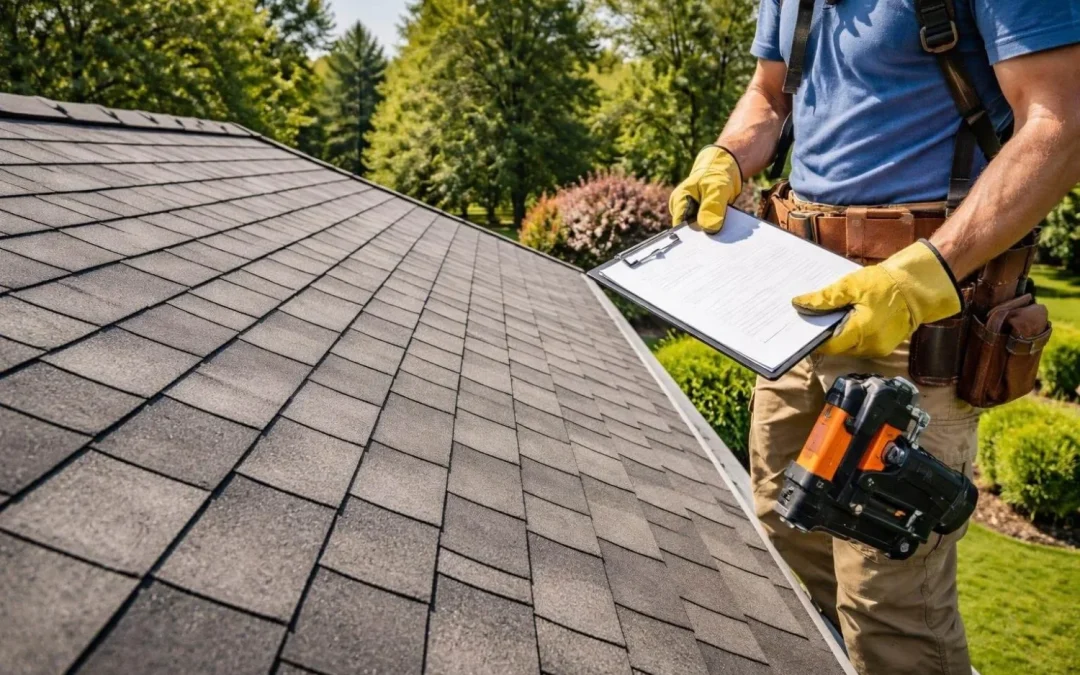
(For Illustrative Purposes Only)
Your roof protects your home, your comforts, and your wallet. Taking a few simple, regular steps will help you spot problems early, prevent costly damage, and keep your roof working longer.
This article guides you through the practical actions you can take, from checking the attic and clearing gutters to removing moss, trimming trees, and knowing when to call a pro. You will find clear, easy-to-follow tips that make roof care quick and effective.
Top 9 Tips for Keeping Your Roof in Good Condition
Inspect the attic and ceiling regularly for signs of leaks

(For Illustrative Purposes Only)
Check your attic and the ceiling under the roof at least twice a year, especially after storms. Look for water stains, damp patches, peeled paint, or mould.
Follow any drips to their highest point to locate the leak source. Inspect around chimneys, vents, and pipes, as well as where roof planes meet.
Feel for insulation for dampness and press on the timber to detect soft spots. Please ensure that wet insulation is replaced and small gaps in flashing or seals are repaired promptly.
Clear gutters and drainpipes of leaves and debris

(For Illustrative Purposes Only)
Check gutters and downpipes at least twice a year and after heavy storms. Blocked gutters cause water to pool and can damage your roof and walls.
Use a sturdy ladder and gloves to remove leaves and moss by hand, then flush with a hose to clear smaller debris. Fit gutter guards if you want to reduce how often you clean them.
Ensure downpipes run freely by testing with water from the top. Replace cracked sections and reseal joints to prevent leaks.
Remove moss and algae growth immediately

(For Illustrative Purposes Only)
Check your roof regularly and remove small patches of moss or algae before they spread. Use a soft brush or a low-pressure wash to avoid damaging shingles.
Apply a moss-killing treatment made for roofs, following the label directions and safety advice. Trim overhanging branches and clear gutters to reduce shade and moisture that encourages growth.
Trim overhanging tree branches to reduce debris

(For Illustrative Purposes Only)
Keep branches at least 2–3 metres away from your roof to stop rubbing and falling debris. Regularly remove dead limbs and thin dense canopies so leaves and twigs don’t clog gutters.
Hire a certified arborist for large cuts to avoid damaging the tree or your roof. After trimming, clear gutters and check tiles for scratches or displaced slats.
Check for cracked, curled or missing shingles

(For Illustrative Purposes Only)
Scan your roof regularly for cracked, curled or missing shingles. These let water in and cause leaks.
Replace damaged shingles promptly and secure loose ones with roofing nails and sealant. Use matching materials to keep the roof watertight.
Inspect after storms and clear debris that can lift shingles. If the damage is widespread, get a professional to assess and repair it.
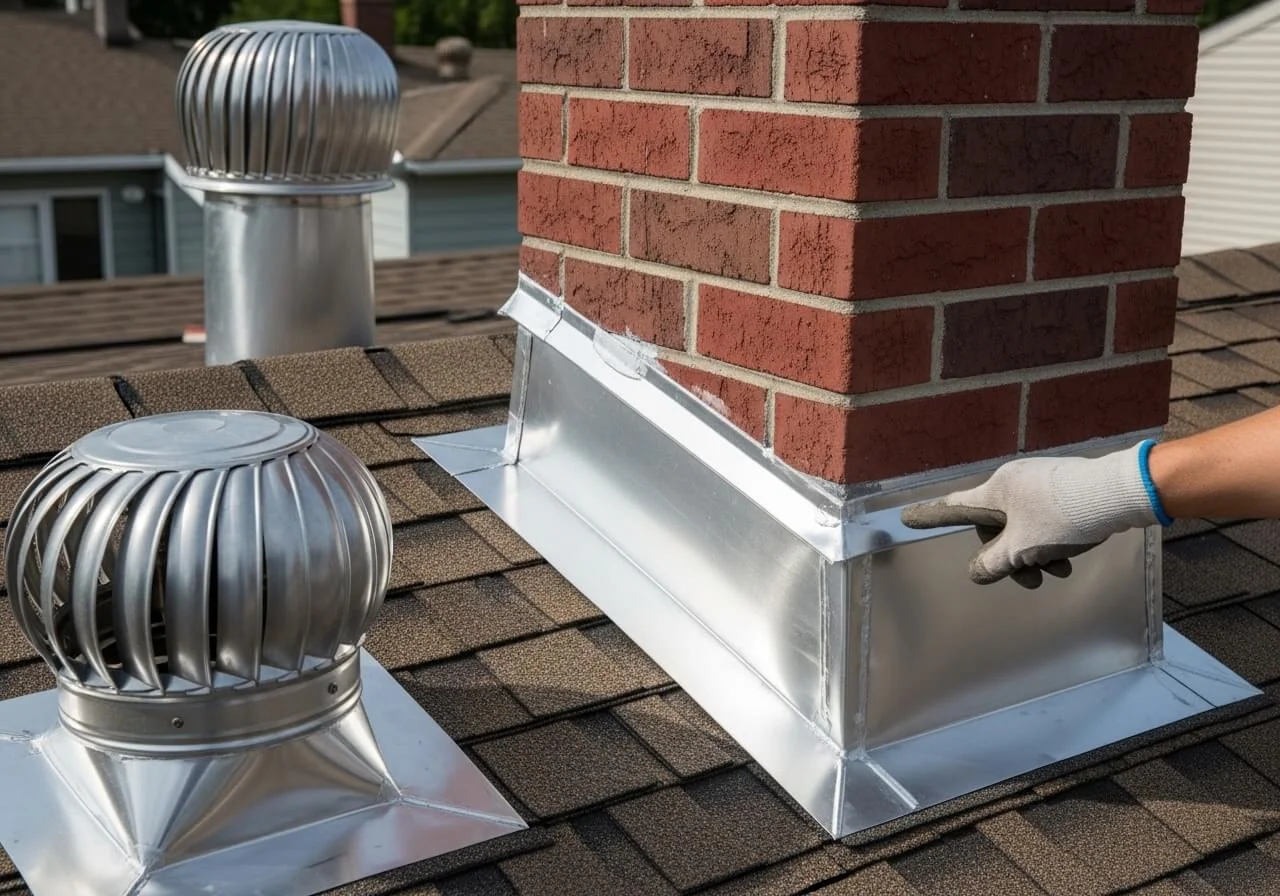
Ensure flashing around chimneys and vents
(For Illustrative Purposes Only)
Check for flashing at least once a year and after storms. Look for cracks, rust or gaps where water can get in.
Replace or reseal damaged flashing with compatible metal or approved sealant. Ensure the flashing overlaps shingles and sits tight against the chimney or vent.
If you spot loose mortar or lifted shingles near the flashing, fix those too. Call a roofer if flashing is badly corroded or if you’re unsure how to secure it safely.
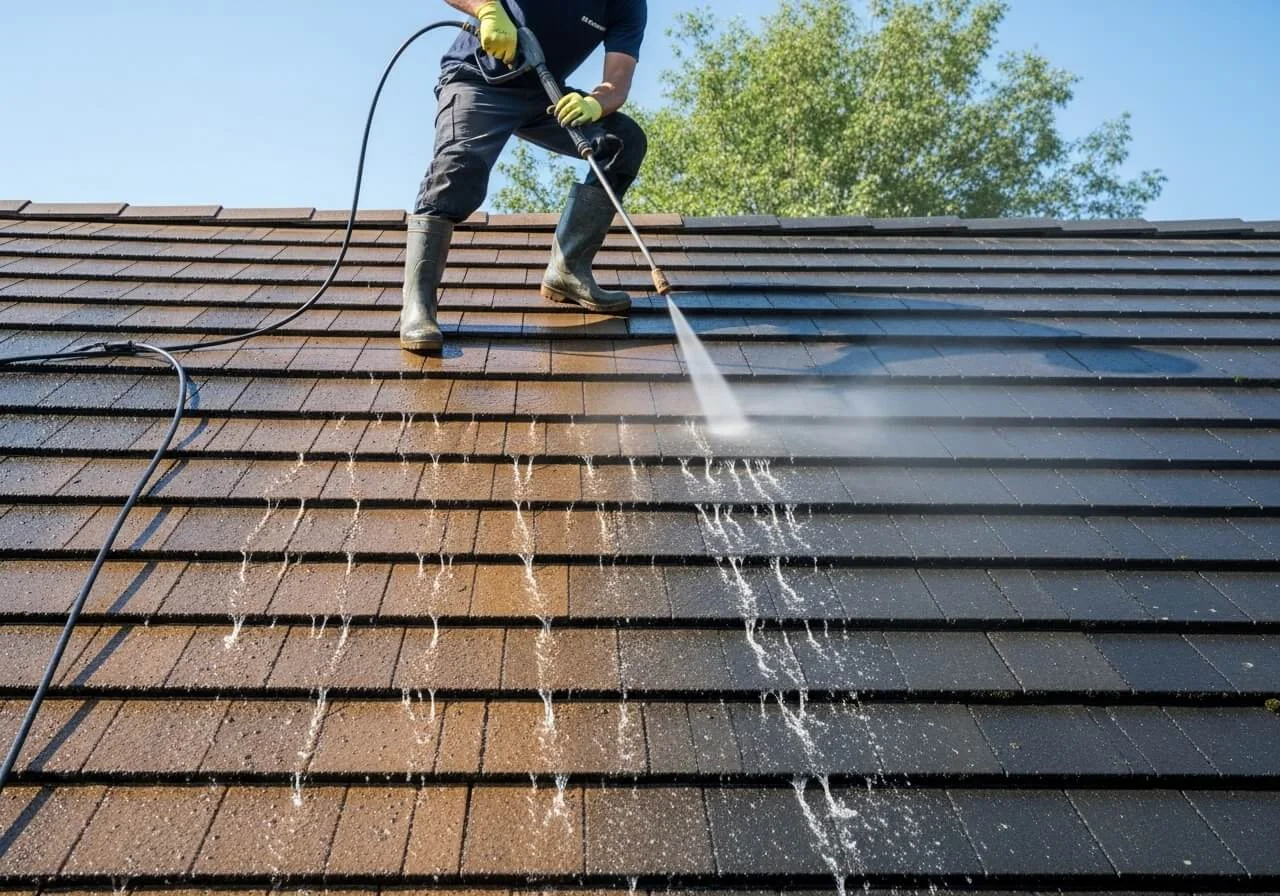
Clean the roof surface to remove dirt
(For Illustrative Purposes Only)
Check your roof for moss, algae and debris at least once a year. Remove loose leaves and twigs by hand or with a soft brush to avoid scratching tiles.
Use a low-pressure wash or a gentle hose; high pressure can damage tiles. Apply a biodegradable moss and algae cleaner if growth is present, following the product instructions.
Wear a proper safety kit and work from a stable ladder or use roof anchors. If the roof is steep or fragile, hire a pro to avoid damage and injury.
Apply roof sealant to protect against water infiltration

(For Illustrative Purposes Only)
Check your roof for cracks, gaps around flashings and worn areas before sealing. Clean the surface of debris and loose material so the sealant bonds well.
Choose a sealant suited to your roof type and climate, and follow the manufacturer’s instructions. Apply sealant to joints, around vents and any damaged tiles to stop water entry.
Inspect the sealed areas after curing and reapply where needed every few years. If you spot persistent leaks, get a professional to assess the problem.
Monitor for signs of pest infestation

(For Illustrative Purposes Only)
Check your roof and attic regularly for droppings, nesting materials, chewing marks, or shredded insulation. These signs show pests have found entry points.
Keep tree branches trimmed 2–3 metres from your roof to stop animals from using them as bridges. Seal the gaps around vents, eaves, and soffits with mesh or caulk.
Remove standing water and debris from gutters and flat areas to reduce attractants. If you spot damage, call a pest professional quickly to prevent structural or insulation harm.
Best Practices for Professional Roof Care

(For Illustrative Purposes Only)
You should book regular checks and keep gutters clear. Hire a qualified roofer for repairs and choose materials that match your roof type.
When to Schedule Professional Inspections
Have a professional inspect your roof at least once a year. Do this after the autumn leaves fall and again in the spring if your area has severe winters. Inspections should also follow any major weather event, such as storms, heavy winds, hail, or prolonged rain.
Arrange an inspection if you spot these signs: missing or broken tiles, sagging areas, new interior stains on ceilings, or granules in gutters. Ask the roofer for a written report that lists defects, urgency level, and a costed repair plan.
Hire someone who is insured, holds local trade accreditation, and provides a clear warranty. Get at least three quotes and check references. Keep records of inspection dates, reports, and invoices for insurance and resale value.
Importance of Roof Gutter Maintenance
Clear gutters and downpipes prevent water pooling, which can rot fascia, damage eaves, and cause leaks. Clean gutters twice a year as a minimum, more often if you have overhanging trees.
Use a checklist when arranging maintenance:
- Remove leaves and debris by hand or with a scoop.
- Inspect for rust, holes, or loose joints.
- Test the downpipe flow with water to ensure no blockages.
If gutters are damaged, replace sections rather than patching repeatedly. Fit leaf guards if blockages are frequent, but still schedule periodic checks because guards can fail or clog. Ask your roofer to inspect gutter fixings and the flashing where the roof meets the gutter during every service.
Frequently Asked Questions
These answers cover specific steps you can take to spot problems early, keep water moving away from the roof, stop biological growth, protect against storm damage, and choose durable repair materials.
What are the essential maintenance tasks for ensuring roof longevity?
Inspect your attic and ceilings for damp patches or new stains at least twice a year.
Look for cracked, curled or missing shingles on the roof and replace them promptly.
Clear gutters and drainpipes of leaves and debris to avoid water backing up under the roofline.
Remove moss and algae growth quickly; use a soft brush and appropriate cleaner or hire a specialist for large areas.
Trim overhanging tree branches to reduce debris and prevent branches from rubbing or falling on the roof.
Keep vents and flashings sealed and check them after storms.
How often should a roof inspection be conducted by a professional?
Arrange a professional inspection every two years for most roofs.
If your roof is older than 15–20 years, schedule annual checks.
Also, get an inspection after severe storms or heavy snowfall or if you notice leaks or missing tiles.
A quick professional check can find small problems before they become costly.
What signs indicate the need for immediate roof repair?
You need urgent repair if you find active leaks or water stains on ceilings or in the attic.
Missing, cracked or heavily curled shingles signal a need for prompt action.
Sagging areas of the roof or broken flashing around chimneys and vents also require fast repair.
Visible mould, rot, or large patches of moss that lift tiles can let water in and need immediate attention.
Can regular gutter cleaning prevent roof damage?
Yes. Clearing gutters and downpipes prevents water pooling at the roof edge and under tiles.
Blocked gutters cause water to run back under the eaves and into the roof structure.
Clean gutters at least twice yearly, more often if trees overhang the roof.
Check gutters after storms for blockages and damage.
Which materials are best suited for long-lasting roof repairs?
Use like-for-like materials where possible so new work matches existing roof performance.
High-grade slate and clay tiles last longest on suitable roofs.
For pitched roofs, use weatherproof felt, lead or EPDM for flashings and valley linings.
For flat roofs, consider durable membranes such as EPDM, torch-on felt or single-ply systems installed by professionals.
What steps can homeowners take to prevent weather damage to their roofs?
Trim trees to keep branches away from the roof and reduce wind-driven debris.
Secure loose tiles or shingles and renew worn flashings before winter storms.
Keep gutters clear so rainwater drains away fast.
Inspect and repair roof seals around chimneys, skylights and vents to stop wind-driven rain from entering.